
Key Takeaways
- Lemon laws offer critical consumer protections for defective vehicles but differ widely across states. The manner and degree to which consumers can seek compensation, replacement, or repairs depend on local statutes.
- Recent legislative changes in some states, such as Colorado and California, have significantly changed consumer remedies. Staying current on local law may open new avenues to relief or restrict previously available options.
- Consumers should carefully document repair attempts, familiarize themselves with their state’s requirements, and act promptly to preserve their rights. Essential documents can help strengthen your case and ensure compliance with deadlines.
- Expert legal guidance and knowledge of both state and federal law are crucial when pursuing lemon law claims. Attorneys can help interpret legal jargon, advocate on your behalf with manufacturers, and represent your best interests in court if necessary.
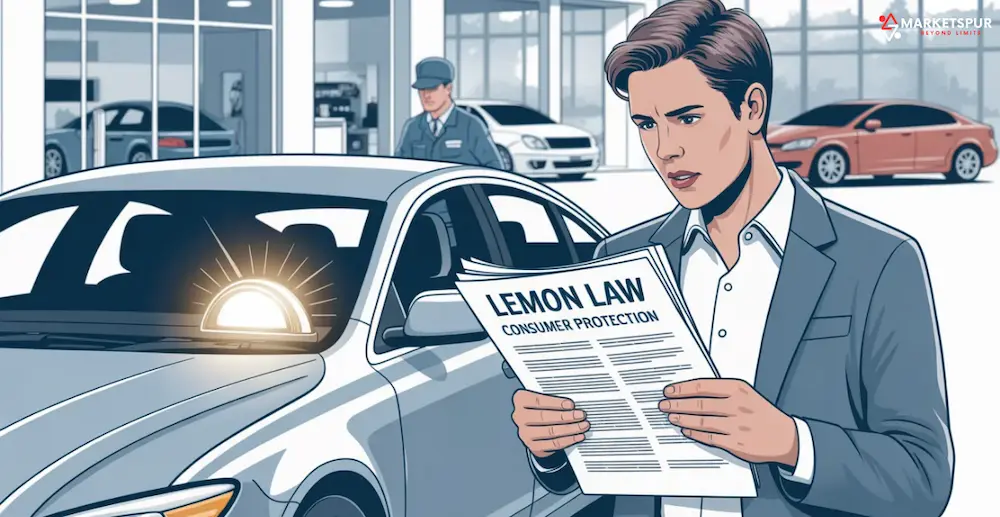
Purchasing a new vehicle is often one of the largest single investments most Americans will make during their lifetimes. Buyers naturally expect their investment to deliver on promises of reliability, safety, and quality. Unfortunately, a subset of consumers soon discovers their vehicles are plagued by persistent mechanical problems or chronic safety issues that the dealership just can’t seem to fix. These experiences can be frustrating and costly, and many people feel overwhelmed or unsure of where to turn. That’s why it is so important for consumers to understand their rights under the law, especially the powerful legal protections provided by both state and federal lemon laws. In such scenarios, knowing when and how to reach out to specialized Iowa lemon law attorneys or a qualified local attorney can be the decisive factor in resolving the situation favorably and protecting your financial interests.
Legal protections exist for a reason: they empower consumers not just with peace of mind, but also with tangible ways to recoup financial losses, get their money back, or finally secure a vehicle they can trust and rely upon. Each state in the U.S. addresses lemon vehicles and consumer recourse differently. However, all these laws share a fundamental goal: to prevent unsuspecting buyers from being saddled with unsafe, unreliable, or defective vehicles due to manufacturer oversights or undisclosed flaws. Especially as states frequently update their lemon laws and court decisions shift their interpretation, remaining informed is critical. If you think you may have purchased a lemon, act quickly. Being proactive and knowledgeable dramatically increases your chance of obtaining a suitable remedy.
Understanding Lemon Laws
Lemon laws are specifically crafted to address cases where newly purchased vehicles continue to exhibit mechanical defects—often the same issue over and over—or otherwise fail to meet minimum performance or safety standards despite numerous repair attempts. The central aim of these statutes is to make sure that buyers are not left stuck with a defective vehicle and can either recover their money or receive a satisfactory replacement. Generally, lemon laws obligate manufacturers to provide a refund, replacement, or repairs if a new car (or sometimes a used or leased vehicle) cannot be repaired after a “reasonable” number of repair attempts. The specifics, such as how many repair attempts constitute “reasonable” and which types of vehicles are included, are defined by each state’s laws. For most states, the coverage applies primarily to new cars with expressed warranties, but an increasing number also protect leased cars or certified pre owned vehicles, provided they meet certain criteria.
So, how do you determine if your car is legally deemed a lemon? Normally, a vehicle qualifies if a serious defect cannot be corrected within a limited number of attempts, as set by law, or if the car spends a significant chunk of time in the shop during the warranty period. Many states use metrics like “in for repairs four times for the same defect” or “out of service 30 cumulative days in the first year,” but there is variation depending on where you purchased your vehicle. Knowing these thresholds is critical; waiting too long to act can result in losing eligibility for lemon law remedies.
Manufacturers and dealerships are legally obligated to address covered defects, but it’s not uncommon for them to stall, reject, or downplay the problem. For this reason, meticulous documentation and timely communication, both written and verbal, are important. Your repair receipts, notes, and records of your attempts to resolve issues will become vital evidence in making your case, especially if negotiations escalate.
Recent Changes in State Lemon Laws
Staying informed about new developments is particularly important as lemon law requirements may change suddenly with legislation or court decisions. For example, in August 2024, Colorado took a major step by expanding its lemon law protections. The state broadened its statutes to include certain small business vehicles, reflecting the importance of reliable transportation to entrepreneurs and organizations in the area. Additionally, Colorado extended the protection period, allowing claims for up to 2 years or 24,000 miles, whichever comes first, positioning the state as one of the more consumer friendly states. A particularly important change was reducing the number of unsuccessful repair attempts needed for a vehicle to qualify as a lemon: now, only three repair tries are required, or just two attempts if the defect poses a safety risk. This means Colorado residents will find it easier to obtain relief without having to make as many frustrating trips to the dealership before qualifying for replacement or reimbursement.
In contrast, California recently saw a significant contraction in certain lemon law entitlements. In November 2024, the California Supreme Court ruled that used vehicle owners have lemon law protection only if there is an ongoing original manufacturer’s warranty or a new warranty issued at the time of sale, such as those offered through Certified Pre Owned (CPO) programs. Without such a warranty, used car buyers cannot access most of the state’s robust lemon law remedies. This ruling shines a spotlight on the importance of fully understanding warranty details before purchasing a used vehicle and underscores the need for buyers to ask about coverage before closing the deal.
Federal Consumer Protections
If your state’s lemon law provides limited coverage, or if your claim falls outside its requirements, you might still have recourse under federal law. The cornerstone of national vehicle consumer protection is the Magnuson Moss Warranty Act (MMWA), which requires manufacturers to honor their warranty obligations and prohibits misrepresentation or deception. The MMWA covers nearly all vehicle purchases that include a written warranty, whether the car is new or used. If the manufacturer or dealer fails to repair a covered issue after a “reasonable” number of attempts, this federal law gives consumers the right to pursue compensation, often in the form of a cash settlement, repayment, or even a replacement vehicle. Notably, the MMWA also entitles successful plaintiffs to have their legal fees paid by the manufacturer, creating a strong incentive for automakers to resolve claims quickly. If you have questions about whether your case involves a written warranty, a legal consultation can clarify your coverage rights.
Steps to Take if You Have a Defective Vehicle
- Document the Issues: Create a dedicated file for your vehicle that contains every service receipt, diagnostic report, and all correspondence with the dealership or manufacturer. A detailed logbook updating when issues appear, how they affect driving, and what actions have been taken, can make a substantial difference in substantiating your claim. Attach photos of warning lights, error codes, or actual defects when possible.
- Understand Your State’s Lemon Law: Go beyond a surface reading; research your state’s specific guidelines on the number of repair attempts, required notifications, and time limits. Many states’ websites or consumer advocacy groups provide tools and checklists to assist with this step.
- Notify the Manufacturer: Deliver a formal, written notice outlining the persistent defect, describing what attempts have been made to resolve it, and expressing your intent to pursue lemon law solutions if necessary. This communication often creates a formal paper trail that can be critical for your claim’s success.
- Seek Legal Advice: Lemon law attorneys are highly knowledgeable about deadlines, required forms, and common manufacturer tactics to deny or delay claims. Early legal advice can help you avoid costly mistakes and strengthen your bargaining power in negotiations or hearings.
Conclusion
Owning a defective vehicle is about much more than inconvenience. Such defects can compromise your family’s safety and put a major dent in your finances through lost resale value, downtime, inconvenience, and recurring repair bills. Given both state statutes and federal laws, such as the Magnuson Moss Warranty Act, that provide distinct avenues for relief, it is essential to be proactive, rigorous in your documentation, and strategic in your communications. Knowing the current law in your state, meeting crucial deadlines, and consulting with experienced legal professionals significantly increase your odds of securing a fair and lasting solution. When faced with a lemon, remember: the law is often on your side, but acting with urgency and diligence is key to exercising your rights and reclaiming the investment you deserve.