
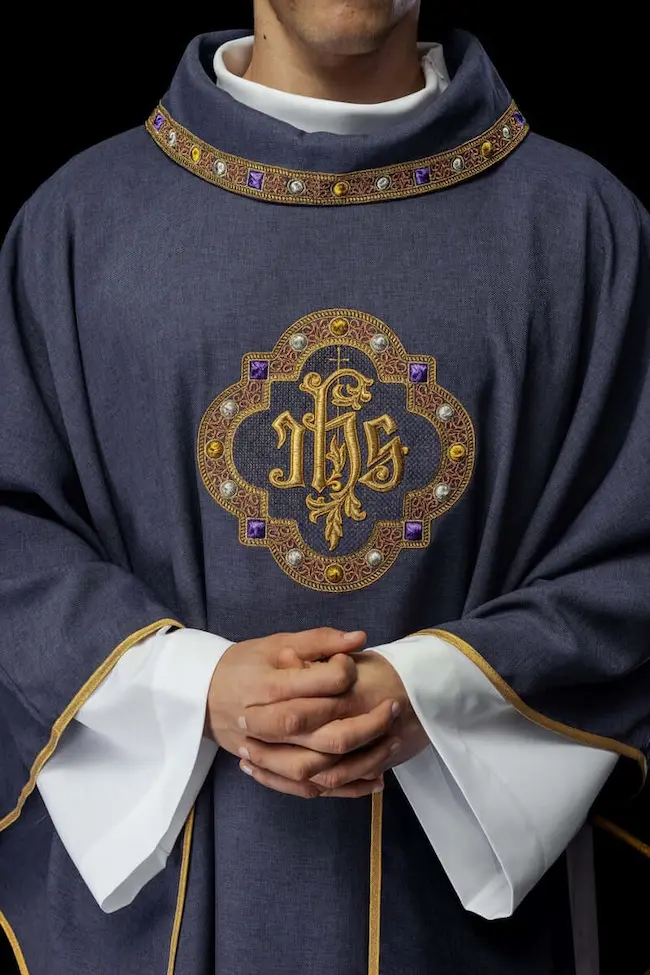
The chasuble, a vestment worn by the celebrant during Mass, plays a significant role in conveying the spiritual themes of the liturgical calendar. Among the various colors used for chasubles, purple holds a particularly profound meaning, deeply rooted in the history and symbolism of the Catholic Church. Understanding the significance of the purple chasuble offers a richer appreciation of the liturgy and the cyclical journey of faith.
- The Historical Significance of Purple in Ancient Times
- Purple in Early Christianity and Liturgical Use
- The Advent Season and the Purple Chasuble
- The Lenten Season and the Purple Chasuble
- Other Liturgical Uses of Purple
- The Symbolism of Purple Beyond Penance
- The Evolution of Liturgical Colors
- Conclusion: The Enduring Significance of the Purple Chasuble
The Historical Significance of Purple in Ancient Times
Long before its adoption in Christian liturgy, the color purple was associated with royalty, power and authority. This association stemmed from the rarity and expense of Tyrian purple a dye extracted from specific sea snails found in the Mediterranean. The laborious and costly process of its production meant that only the wealthiest and most powerful individuals, such as emperors and high ranking officials, could afford garments dyed in this luxurious hue. This historical context imbues the color purple with an inherent sense of solemnity and importance.
Purple in Early Christianity and Liturgical Use
As Christianity evolved, the early Church adopted many pre existing cultural symbols to express its own theological concepts. The imperial connotations of purple were reinterpreted to signify Christ’s kingship and divinity. However, its liturgical use was not immediately standardized. Over time, the Church began to assign specific colors to different liturgical seasons and feast days, each carrying distinct symbolic weight.
The Advent Season and the Purple Chasuble
The most prominent liturgical season associated with the purple chasuble is Advent. This penitential season, preparing the faithful for the celebration of Christ’s birth, is characterized by themes of hope, anticipation and repentance. The color purple in Advent reflects these themes:
- Penitence and Reflection: Purple serves as a visual reminder for believers to examine their lives, repent for their sins and prepare their hearts for the coming of Christ. It encourages introspection and a turning away from worldly distractions.
- Hope and Anticipation: While purple signifies penitence, it also carries a message of hope. It foreshadows the joy and fulfillment that will come with the celebration of Christmas. It is a color of expectation, waiting for the fulfillment of God’s promises.
- Royal Expectation: As purple historically symbolized royalty, in the context of Advent, it points to the coming of Christ as King. The Church anticipates the arrival of its sovereign Lord, preparing to welcome Him into the world and into their lives.
The Lenten Season and the Purple Chasuble
Purple is also the primary color for the season of Lent, a period of intense spiritual preparation leading up to Easter. Similar to Advent, Lent is a time of penance, sacrifice and spiritual renewal. The purple chasuble in Lent emphasizes:
- Sacrifice and Mortification: The somber hue of purple encourages believers to embrace the spirit of sacrifice and self-denial, mirroring Christ’s own suffering and forty days in the wilderness.
- Spiritual Preparation for the Passion: Lent culminates in Holy Week, commemorating Christ’s passion, death, and burial. The purple chasuble serves as a visual prelude to these solemn events, preparing the congregation for the ultimate sacrifice.
- Reconciliation and Forgiveness: The penitential aspect of purple calls for reconciliation with God and neighbor. It’s a time to seek forgiveness and to extend it, aligning with the core message of Christ’s redemptive work.
Other Liturgical Uses of Purple
While most prominently used during Advent and Lent, the color purple may also appear in other liturgical contexts:
- Funerals and Memorial Masses: In some traditions, purple is used for funerals and memorial Masses, especially for those who have held positions of authority or for occasions where a solemn tone is desired. It can symbolize mourning while also pointing to the hope of resurrection and eternal life.
- Specific Feasts or Memorials: Occasionally, purple may be used for certain specific feasts or memorials where the themes of penitence, royalty, or solemn reflection are particularly relevant, though this is less common than its use during the major penitential seasons.
The Symbolism of Purple Beyond Penance
It is important to note that the symbolism of purple is not solely tied to penitence. As mentioned, its historical connection to royalty has been reinterpreted to signify Christ’s kingship. In this sense, the purple chasuble can also represent:
- Christ the King: Especially in the context of Advent, purple can underscore Christ’s reign and His ultimate triumph.
- Dignity and Authority: The color lends a sense of solemn dignity to the liturgical celebration, highlighting the sacred nature of the Mass and the authority of Christ being represented by the priest.
The Evolution of Liturgical Colors
The standardization of liturgical colors, including the specific uses of purple, has evolved over centuries. While early Christian practices varied, the Roman Catholic Church, through its liturgical reforms and traditions, has largely settled on the current understanding of color symbolism. The consistent use of the purple chasuble during Advent and Lent provides a powerful visual cue for the faithful, guiding them through the spiritual journey of the Church’s year.
Conclusion: The Enduring Significance of the Purple Chasuble
The purple chasuble is more than just a piece of liturgical clothing; it is a visual sermon. Its rich history, from its association with imperial power to its profound theological meanings, makes it a powerful symbol within the liturgy. Whether worn during the hopeful anticipation of Advent or the penitential season of Lent, the purple chasuble calls believers to reflection, repentance, and renewed hope in Christ’s coming and His ultimate reign. Its enduring presence in the Church’s vestment tradition continues to enrich the spiritual experience of the faithful, offering a tangible connection to the timeless messages of the liturgical seasons.
https://chasubles.com
https://chasubles.com/collections/purple-chasubles