
Used IT hardware can still return meaningful value when it is managed with resale in mind instead of being left in storage until it becomes obsolete.
The strongest recovery results usually come from a mix of timing, maintenance, documentation, and secure end-of-life planning. That matters even more as e-waste volumes keep rising.
The Global E-waste Monitor 2024 reports that the world generated 62 million tonnes of e-waste in 2022 and is projected to reach 82 million tonnes by 2030, which makes responsible resale, reuse, and recycling more important for both budget recovery and environmental handling.
Understanding Residual Value in Used IT Hardware
Residual value is shaped by a few practical factors: age, condition, brand strength, specifications, and current market demand. No single factor decides the outcome on its own.
A newer device in poor condition may underperform a slightly older device that has been maintained well and still matches active buyer demand.
What Determines IT Hardware Resale Value
Age affects value, but condition often determines how much of that value is still recoverable. Business-class hardware from established enterprise brands often performs better in resale channels because buyers tend to trust support history, build quality, and long-term compatibility.
At the same time, market demand can shift unexpectedly when supply conditions tighten or when older platforms remain useful longer than expected. That is why resale planning should focus on current buyer demand and practical usefulness rather than original purchase price alone.
Age and Depreciation Timeline
IT hardware usually loses value fastest in its earlier years, then moves into a steeper decline once support windows shorten and buyer demand narrows. That is why many organizations aim to retire laptops, desktops, servers, and networking equipment while they still have commercial reuse potential rather than waiting until they are useful only for parts or recycling.
Specifications That Hold Value
Systems with stronger but still practical specifications usually retain value better than very low-end configurations. Storage type, memory capacity, processor class, and business grade build quality can all support stronger resale outcomes.
In enterprise environments, servers, network gear, and business laptops often hold value longer than entry level consumer hardware because they remain useful in secondary environments.
Condition Grading Standards
Condition affects pricing directly. Well-maintained hardware with clean enclosures, intact displays, healthy batteries, and complete components is easier to remarket than incomplete or visibly worn equipment. Missing drives, missing RAM, cracked screens, damaged ports, or weak batteries can all reduce recovery value quickly.
Best Practices for Protecting Asset Value
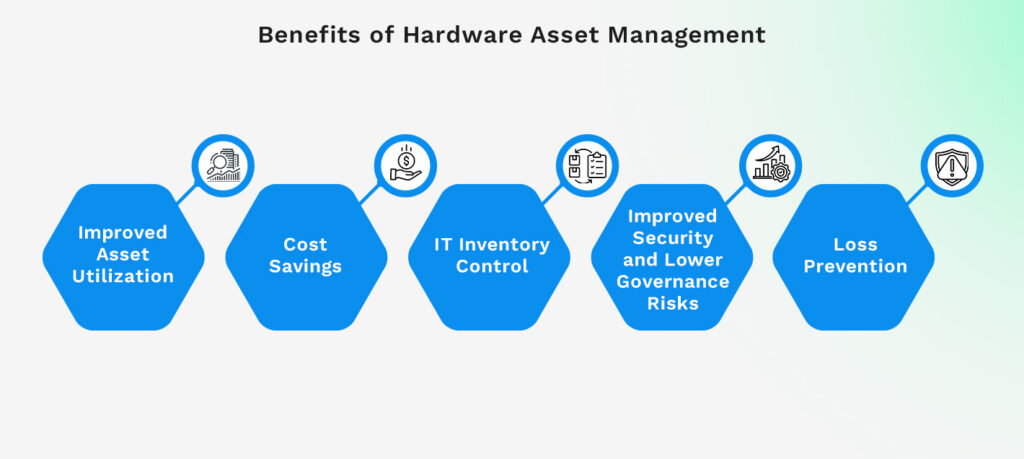
Protecting residual value starts long before equipment is retired. Maintenance, tracking, and consistent handling all improve the odds of a stronger outcome at resale or disposition.
Implement Regular Maintenance Schedules
Routine maintenance helps preserve both functionality and buyer confidence. Systems with current patching history, known hardware health, and fewer unresolved faults are easier to resell and easier to document. This is especially important for equipment that may later move through an ITAD or buyback channel.
Establish Clear Usage Policies
Usage policies matter because they reduce avoidable damage. Devices returned in better condition are worth more, and clearer employee expectations around handling, travel, storage, and accessories help support that outcome.
Use Asset Tracking Systems
Asset tracking is one of the most useful value-protection practices because it gives teams visibility into where equipment is, what condition it is in, and where it sits in the lifecycle. Without that visibility, organizations often hold on to idle equipment for too long and lose recovery value simply through delay.
Plan Replacement Cycles Strategically
Replacement timing has a direct effect on resale value. Waiting too long can turn usable hardware into low-value inventory. A structured refresh cycle gives teams a better chance to retire equipment while it still has commercial demand and before support, compatibility, or condition issues reduce its appeal.
Store Equipment Properly
Retired hardware should be stored in controlled conditions and handled carefully. Poor storage can reduce resale grades through battery damage, cosmetic wear, moisture exposure, or missing parts. That makes storage discipline part of value recovery, not just operations.
Document Equipment History
Documentation improves buyer confidence and simplifies disposition. Maintenance records, configuration notes, repair history, and asset details all help when equipment is evaluated for resale, buyback, or recycling.
Secure Data Handling and Compliance Requirements
Data security has to be part of the resale plan. Any value recovery process can create risk if retired equipment leaves the organization without a documented sanitization and custody process.
Industry-Specific Data Security Standards
The exact compliance obligations depend on the organization and the type of data stored on the equipment, but the common requirement is clear: organizations must prevent unauthorized access to sensitive information during retirement and disposal.
NIST’s current sanitization guidance is useful here because it frames sanitization as part of a broader media sanitization program tied to information sensitivity and disposition decisions.
Certified Data Wiping Methods
NIST released SP 800-88 Rev. 2 on September 26, 2025, and it is the current reference point for media sanitization planning. NIST defines sanitization as rendering access to target data infeasible for a given level of effort and emphasizes choosing methods and controls based on data sensitivity and intended disposition.
Physical Destruction Options
Physical destruction is often the right path for failed media, unsupported storage, or equipment that is too sensitive or too damaged to trust for reuse.
The right choice depends on the storage media involved and the organization’s risk tolerance, but the key point is to make that decision deliberately and document it as part of the broader sanitization process.
Chain of Custody Documentation
Chain of custody matters because it shows how equipment moved from active use to final disposition. For many organizations, that record is as important as the sanitization step itself. A clear audit trail reduces uncertainty and helps support compliance reviews if questions arise later.
Choosing the Right Disposition Path to Sell IT Hardware
Not all hardware should follow the same path. Functional, in-demand devices may be best suited to direct resale or buyback, while older or damaged assets may be better candidates for parts recovery, donation, or certified recycling.
Direct Resale for Working Devices
Hardware that is still functional and commercially relevant often has the strongest recovery potential when sold through a structured resale or buyback path. Business-class devices, servers, networking gear, and storage systems often perform better in these channels than in informal local resale.
Component Harvesting and Parts Recovery
Some equipment no longer makes sense as a complete device but still contains useful parts. In those cases, parts recovery can preserve value that would otherwise be lost if the asset were treated only as scrap.
Donation Programs and Tax Considerations
Donation may make sense for some organizations, but tax treatment depends on fair market value, documentation, and the type of property involved.
IRS guidance makes clear that substantiation requirements apply and that written acknowledgments are required for qualifying contributions of USD 250 or more.
That makes it important to verify the applicable rules rather than assume a fixed deduction outcome.
Certified Recycling for End-of-Life Assets
For hardware that no longer has practical resale value, certified recycling is usually the strongest end-of-life path. That supports environmental handling and helps keep retired assets out of unmanaged waste streams. The broader e-waste picture makes that especially important.
Partnering With Certified ITAD Providers
For organizations that want a more structured disposition path, Big Data Supply is built around detailed reporting on secure data destruction, and resale or recycling options for old and used IT equipment.
The company also states that it holds R2v3 and RIOS certifications for IT equipment recycling, which supports its role as an ITAD and recycling provider rather than only a surplus buyer.
Conclusion
Maximizing value from used IT hardware depends on planning early rather than waiting until equipment has lost most of its resale appeal.
The best results usually come from protecting asset condition during use, keeping inventory and maintenance records current, handling data sanitization through a documented process, and choosing the right path for each asset at retirement.
Some equipment is best sold while demand is still strong, while other equipment should move into parts recovery, donation, or certified recycling.
The strongest programs treat resale, reuse, and end-of-life handling as part of one lifecycle strategy instead of separate afterthoughts.