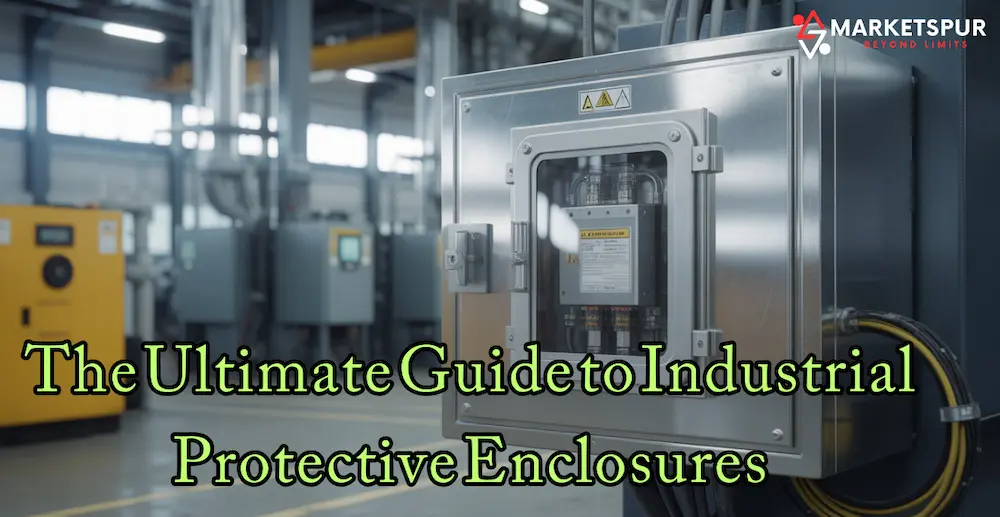
Expensive machinery and delicate electronics are the backbone of modern industry. From the factory floor to remote telecommunications towers, these systems keep operations running smoothly. Yet, they face constant threats. Dust, moisture, extreme temperatures, and physical impact can all wreak havoc on sensitive components, leading to catastrophic failure and costly downtime.
Decoding the Ratings: NEMA vs. IP
When selecting an enclosure, you will immediately encounter two primary rating systems: NEMA and IP. These standards tell you exactly what an enclosure can withstand, allowing you to match the box to the environment.
NEMA Ratings
The National Electrical Manufacturers Association (NEMA) ratings are standard in North America. They define the enclosure’s ability to protect against various environmental conditions.
- NEMA 1: General purpose, indoor use. Protects against falling dirt and accidental contact with enclosed equipment.
- NEMA 3R: Outdoor use. Protects against rain, sleet, and snow, often used for electrical metering.
- NEMA 4/4X: Watertight and dust-tight. NEMA 4 is for general outdoor washdown, while 4X adds corrosion resistance, making it ideal for marine or chemical environments.
- NEMA 12: Industrial indoor use. Protects against dripping water, dust, and oil seepage.
IP Ratings
The Ingress Protection (IP) system is more common in Europe and international markets. It consists of two digits.
- First Digit (Solids): Ranges from 0 (no protection) to 6 (dust-tight).
- Second Digit (Liquids): Ranges from 0 (no protection) to 9 (high pressure, high temperature jets).
For example, an IP65 enclosure is dust-tight and protected against low pressure water jets, making it roughly equivalent to NEMA 4. Understanding these distinctions ensures you don’t overpay for protection you don’t need, or worse, under-spec for a hazardous area.
Material Matters: Steel, Aluminum, and Polycarbonate
The material of your enclosure dictates its weight, durability, thermal properties, and cost. While there are many options, three materials dominate the market.
Stainless Steel
Stainless steel is the heavyweight champion of enclosures. It offers immense physical strength and durability. Grade 304 is standard for general use, while Grade 316 provides superior corrosion resistance, making it the go-to choice for pharmaceutical manufacturing, food processing, and marine applications where harsh chemicals or saltwater are present.
Aluminum
Aluminum offers a strong strength to weight ratio. It is naturally resistant to corrosion and excellent at dissipating heat. This makes aluminum enclosures ideal for housing electronics that generate significant heat, such as solar power inverters or telecommunications equipment. It is significantly lighter than steel, which can simplify installation.
Polycarbonate
Non metallic enclosures, often made from polycarbonate or fiberglass-reinforced polyester, are lightweight, impact resistant, and easy to modify (drill or cut). Crucially, they do not block radio frequency signals, making them the preferred choice for WiFi routers and wireless telemetry systems. They are also non conductive, adding an extra layer of electrical safety.
Where Protection is Critical
You will find protective enclosures in almost every sector of the economy. Their versatility allows them to serve specific roles across diverse industries.
Manufacturing and Automation
Factory floors are often dirty, loud, and dangerous places for electronics. Enclosures here protect PLCs (Programmable Logic Controllers) and variable frequency drives from metallic dust, oil mist, and flying debris.
Energy and Utilities
Whether it is a traditional power plant or a solar farm, energy infrastructure is often exposed to the elements. Enclosures protect metering equipment, switchgear, and control systems from UV radiation, rain, and ice, ensuring the power grid stays online.
Telecommunications
As 5G networks expand, small cells and remote radio heads are being deployed in varied environments. Enclosures protect these sensitive transmission devices from vandalism, theft, and weather, maintaining connectivity for millions of users.
The ROI of Proper Protection
Investing in high quality enclosures is rarely about aesthetics; it is a financial decision.
Enhanced Safety
Electrical faults can be dangerous. An appropriate enclosure prevents accidental contact with live wires and contains potential arc flashes, protecting personnel from serious injury.
Operational Reliability
Downtime costs money sometimes thousands of dollars per minute. By preventing dust ingress or water damage, enclosures ensure that machines run continuously without interruption.
Equipment Longevity
Replacing industrial electronics is expensive. An enclosure acts as a climate controlled ecosystem, often utilizing fans or heaters to keep components within their optimal operating temperature range, significantly extending their lifespan.
Selecting the Right Enclosure
Choosing the correct enclosure involves more than just picking a size. You must evaluate several key factors to ensure the solution fits the problem.
Environmental Assessment
Is the unit going indoors or outdoors? Is there a risk of chemical splash? Will it be washed down with high-pressure hoses? Answering these questions will point you toward the correct NEMA or IP rating.
Thermal Management
Electronics generate heat. If you seal them in a box, that heat has nowhere to go. You may need to calculate the heat load and integrate passive venting, fans, or even air conditioning units into the enclosure design.
Flexibility and Access
Consider how often maintenance personnel need to access the equipment. Do you need a hinged door, a screw cover, or a clear window to read displays without opening the unit? For odd shaped machinery or temporary protection needs where a rigid box is impractical, custom sewn covers might be a more suitable alternative to traditional hard enclosures.
Standards and Certifications
To ensure an enclosure will perform as promised, look for third party certifications. In the United States, Underwriters Laboratories (UL) testing is the gold standard. A “UL Listed” enclosure has been rigorously tested to meet specific safety and performance criteria.
Similarly, in hazardous locations (like oil refineries or grain elevators where explosive gases or dust are present), enclosures must meet specific ATEX or IECEx standards to prevent the equipment inside from igniting the atmosphere outside. Always verify that the certification matches your local regulatory requirements.
Conclusion
Protective enclosures are a fundamental component of industrial design. They provide the necessary separation between delicate technology and a hostile world. By carefully considering the environment, selecting the appropriate materials, and adhering to established ratings, businesses can safeguard their critical assets.