As digital landscapes advance at an unprecedented pace, advertisers face the growing complexity of reaching the right audience efficiently. In this competitive arena, modern media buying stands out as a transformative discipline, offering brands new ways to connect with consumers and maximize ROI. From the rise of automation to cutting edge data analytics, the evolution of media buying reshapes the advertising experience. Brands looking to capitalize on these innovations often partner with a strategic media planning and buying agency to leverage the latest tools and techniques in the field.
Whether vying for attention across social media or optimizing ad spend across a fragmented media ecosystem, advertisers must embrace a holistic approach. The future belongs to those who can adapt quickly, making insight driven decisions every step of the way. Modern media buying not only boosts the efficiency of campaigns but also empowers brands to build meaningful connections, fueling growth, visibility, and loyalty.
AI Driven Optimization
Artificial Intelligence has become a defining force in today’s media buying environment. Advanced tools analyze large volumes of performance data, allowing marketers to allocate budgets more effectively, refine bidding strategies, and adjust creative elements as campaigns unfold. This capability goes beyond simple automation. AI systems can uncover nuanced behavioral trends, helping advertisers deliver highly personalized messages and refine targeting parameters with precision. The result is stronger relevance for audiences and improved efficiency for marketing investments.
In addition to performance gains, AI supports continuous learning across campaigns. Predictive analytics can forecast outcomes based on historical trends, while automated testing identifies which headlines, visuals, or calls to action resonate most. By integrating AI insights into planning and execution, brands can make faster decisions, reduce wasted spend, and maintain a competitive edge in increasingly complex digital ecosystems.
Real Time Bidding (RTB)
RTB has become a fundamental aspect of digital advertising, allowing brands to bid for individual ad impressions in milliseconds. This auction based model gives advertisers immediate access to premium inventory and ensures that ads reach the most receptive audiences. With RTB’s precision, brands can avoid wasted impressions while gaining stronger cost control.
Advertisers benefit from enhanced flexibility and the ability to rapidly scale campaigns across multiple platforms. The integration of RTB into media buying delivers both measurable results and agility, essential qualities in today’s performance driven advertising environment.
Programmatic Advertising
Programmatic advertising streamlines the buying and selling of digital ad space by relying on algorithms and automated workflows instead of manual negotiations and insertion orders. This approach saves time and minimizes administrative complexity, allowing marketing teams to focus on strategy and creative development. One key advantage is the ability to use real time data signals to guide spending decisions and adjust campaigns as performance metrics evolve.
As adoption continues to grow, programmatic platforms are reshaping how advertisers connect with audiences at scale.Beyond operational efficiency, programmatic tools also support cross channel coordination and frequency management. Advertisers can control how often messages appear, reduce audience fatigue, and maintain consistent brand exposure across multiple devices. Enhanced transparency dashboards and reporting features further help teams monitor results, test variations, and optimize delivery to achieve stronger campaign outcomes.
Data Driven Strategies
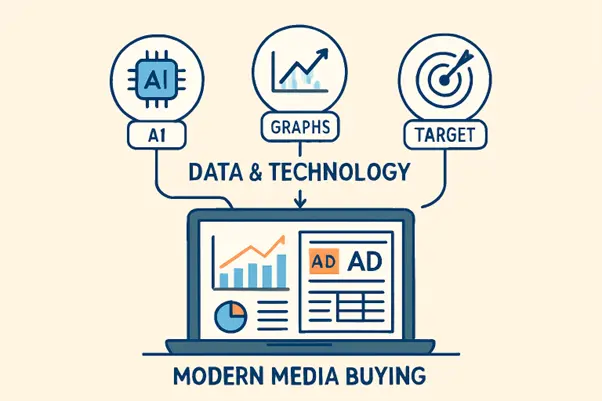
In modern advertising, data serves as the foundation for planning, execution, and evaluation. Marketers rely on analytics platforms to track consumer journeys, identify behavioral patterns, and anticipate shifting market demands. Through advanced segmentation models, advertisers can tailor content for distinct audience groups, refine media allocations, and respond quickly to performance insights. This precision enables campaigns to stay relevant and cost efficient in competitive environments.
Data driven decision making also strengthens long term strategy development. By reviewing historical trends and campaign benchmarks, brands can set realistic goals and forecast potential returns. Continuous measurement encourages iterative improvements, helping organizations enhance engagement, improve conversion rates, and ensure that every media investment contributes to measurable business growth.
Privacy First Approaches
With consumers increasingly concerned about personal data security, the industry has shifted towards privacy first media buying strategies. Recent legislation and platform updates prioritize user consent and transparency, challenging marketers to innovate responsibly. Contextual targeting, delivering ads based on content relevance rather than personal identifiers, is regaining traction.
At the same time, leveraging first party data collected with explicit permission allows brands to continue personalizing experiences while remaining compliant. By respecting privacy, advertisers build trust and future proof their campaigns.
Influencer Partnerships
Brands are finding enormous value in collaborating with influencers whose audiences trust their recommendations. These partnerships enable advertisers to access highly engaged communities, benefitting from authentic storytelling and word of mouth credibility.Influencer marketing is especially powerful with younger, ad averse consumers who prefer organic content over traditional ads. By aligning with influencers whose values reflect their own, brands earn loyalty and reach new segments cost effectively.
Emerging Technologies
Augmented Reality (AR) and Virtual Reality (VR) are redefining user engagement, offering immersive advertising experiences that capture attention and drive interaction. By integrating AR banners or VR product trials into their campaigns, brands stand out in a crowded marketplace.
Additionally, advancements in 5G connectivity accelerate the adoption of these technologies, unlocking new creative potential for both direct response and brand awareness campaigns. As these innovations gain traction, brands willing to experiment with emerging technology will set the trends for the future.
Conclusion
The field of media buying has evolved into a sophisticated blend of data science, automation, and creative storytelling. Through the adoption of AI, programmatic trading, RTB, and privacy focused strategies, brands are achieving unparalleled precision and efficiency.
Modern media buying not only drives business growth but also fosters stronger consumer relationships. In this transformative era, marketers who embrace new technologies and prioritize meaningful connections will shape the future of advertising.