
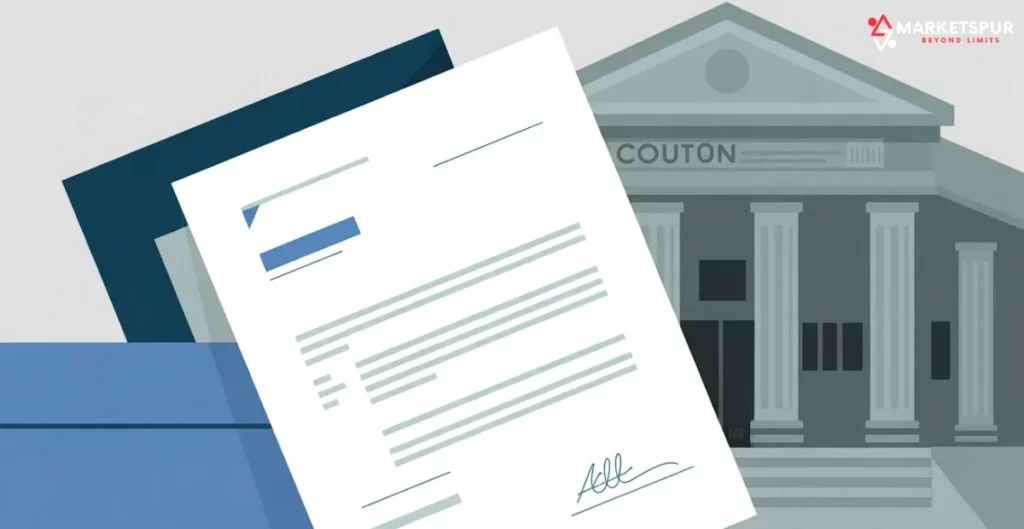
A pre litigation demand letter is an affordable tool for resolving business and personal disputes without the high costs of a lawsuit. This formal document outlines your grievances, legal position, and demands for resolution within a specific timeframe, signaling your intent to take further legal action if necessary.
The Purpose and Importance of Demand Letters
A demand letter is more than just a threat to sue. It serves several critical functions in the legal process, often acting as the bridge between a stalemate and a settlement.
Encouraging Settlement
The primary goal of a demand letter is to resolve the dispute without litigation. Lawsuits are expensive, time consuming, and emotionally draining for everyone involved. By clearly laying out the facts and the law, a demand letter forces the other party to assess their risk. When presented with a compelling argument and the looming threat of a lawsuit, many individuals and businesses will choose to settle rather than gamble on a court verdict.
Establishing a Paper Trail
In the legal world, documentation is everything. A demand letter creates an official record of your attempt to resolve the matter. It demonstrates to a judge or jury that you acted in good faith and tried to settle the dispute amicably before burdening the court system. This can be particularly important if the case proceeds to litigation, as it paints you as the reasonable party.
Organizing Your Case
Drafting a demand letter requires you to organize your thoughts, evidence, and legal arguments. You have to clearly articulate what happened, why the other party is at fault, and what damages you have suffered. This process acts as a “dry run” for a potential lawsuit. It helps you identify strengths and weaknesses in your case early on, allowing you to make informed decisions about how to proceed.
Starting the Clock
Many legal claims are subject to statutes of limitations—deadlines by which you must file a lawsuit. Sending a demand letter doesn’t stop the clock on these deadlines, but it does set a timeline for the opposing party to respond. If they ignore your demand or refuse to negotiate, you know sooner rather than later that litigation may be your only option.
Key Components of a Demand Letter
A demand letter doesn’t need to be written in archaic legalese to be effective. In fact, clarity is often your best ally. However, there are specific elements that every effective demand letter should include to ensure it is taken seriously.
1. The Facts
Begin by narrating the history of the dispute. Be objective and chronological. Describe exactly what happened, including dates, locations, and the specific actions (or inactions) that led to the conflict. For example, if you are dealing with a breach of contract, reference the specific clauses that were violated.
2. The Legal Basis for Your Claim
You don’t need to write a law review article, but you should briefly explain why the facts support your legal claim. Are you claiming negligence? Breach of contract? Unjust enrichment? Briefly connecting the facts to the law shows the other side that you have a viable case.
3. The Demand
This is the core of the letter. Be explicit about what you want. Are you asking for a specific dollar amount? Do you need the other party to stop doing something (like a cease and desist)? Do you need them to complete a job they started? Vague demands lead to vague responses. If you are asking for money, explain how you calculated that figure.
4. The Deadline
Give the other party a reasonable amount of time to respond. Typically, this is anywhere from 7 to 14 days, depending on the complexity of the matter. A deadline creates urgency and prevents the other side from stalling indefinitely.
5. The Consequence
State clearly what will happen if the demand is not met. Usually, this is a statement that you will instruct your attorney to file a lawsuit or pursue other legal remedies. This isn’t about being aggressive; it’s about being firm and setting expectations.
6. Supporting Evidence
Attach copies (never originals) of relevant documents that prove your claim. This could include contracts, invoices, emails, text messages, or photographs. Showing your hand early can be a strategic move to prove you have the evidence to back up your threats.
Steps to Take After Sending a Demand Letter
Once you’ve sent the letter—preferably via certified mail to ensure you have proof of delivery—the ball is in the other party’s court. Here is what typically happens next and how you should prepare.
Wait for the Response
This is often the hardest part. You must wait until the deadline you set has passed. During this time, the other party might consult with their own lawyer to evaluate your claims.
Evaluate the Counteroffer
It is rare for an opposing party to simply cut a check for the full amount immediately. They may deny liability entirely, or they may come back with a counteroffer. If they offer a lower amount to settle the dispute, you will need to weigh the cost of litigation against the certainty of a guaranteed settlement.
Prepare for Litigation
If the deadline passes with silence, or if the response is a flat denial, you need to be ready to execute on your threat. This means hiring an attorney if you haven’t already and preparing to file a complaint in the appropriate court.
It is worth noting that depending on your jurisdiction and the nature of your claim, the specific requirements for these letters can vary. For instance, specific nuances within construction law offered in Utah might dictate different procedural steps or required notices compared to general contract law in another state. Always ensure your approach aligns with local regulations.
Conclusion
A pre litigation demand letter is a legal tool to resolve disputes without a lawsuit. It outlines the facts, legal basis, and demands, helping you take control of the situation. While it doesn’t guarantee resolution, it often leads to quick, cost effective settlements and shows you made a reasonable effort to resolve the issue before court.