
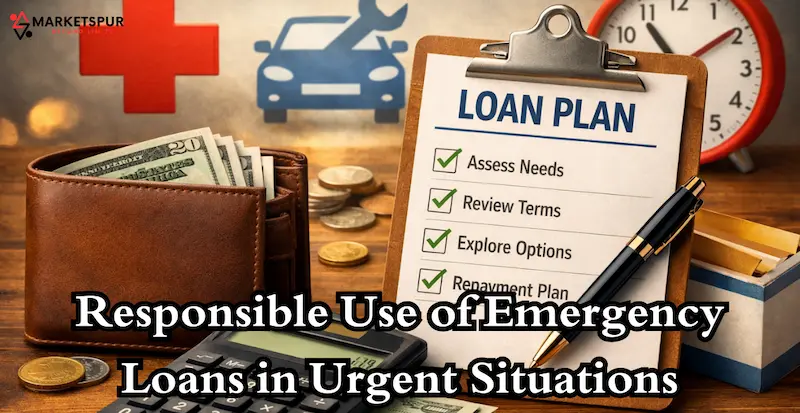
In times of financial distress, the need for quick and reliable access to funds can elevate. Whether it’s an unexpected medical bill, a car repair, or an unplanned travel expense, these situations demand swift solutions. In such cases, Fast Loans can serve as a vital lifeline. However, it’s essential to approach these options with caution and responsibility, ensuring they provide the necessary financial support without compounding future issues.
Understanding Emergency Loans
Emergency loans, as the name suggests, are intended to fill the gap during unforeseen financial demands. They are distinct from other types of loans due to their accessibility, speed, and typically short term nature. Given their urgent application, these loans often come with high interest rates and specific terms that could impact the borrower’s financial well being if not managed thoughtfully.
Assessing the Need for a Loan
Firstly, assessing the actual need for a loan is crucial. Consider whether the expense is indeed urgent or if it can be delayed until more funds become available. Taking time to evaluate the situation can prevent taking on unnecessary debt. Planning and establishing an emergency fund for unexpected financial needs is a proactive step that could reduce over reliance on loans.
Understanding Terms and Costs
When you’ve determined that a loan is necessary, understanding the conditions and costs associated with emergency loans is the next step. Assess different products, scrutinising their interest rates, fees, and repayment terms. A suitable loan should have transparent terms and no hidden charges. The ability to repay the loan without stress is equally important. Consider your current financial state and whether future budgets can comfortably accommodate the repayments.
Exploring Alternatives
It’s also worthwhile exploring alternatives to taking a loan. Speak with creditors about payment plans, or negotiate lower rates on existing debts. Sometimes, community resources or financial aid programs can offer temporary relief. Additionally, borrowing from friends or family might be an option, though it’s important to consider this approach’s potential impact on personal relationships.
Building a Repayment Plan
Building a repayment plan is another vital measure for responsible loan usage. Create a detailed budget outlining how the loan will be utilized and repaid. Prioritise repayments in your financial planning to avoid additional fees or crippling debt. Timely and consistent payments help maintain a positive credit score and prevent the accumulation of debt.
Financial Education and Management
Lastly, educating oneself on financial management can make a significant difference. Understanding how to budget effectively, saving strategies, and developing a keen awareness of one’s financial health can empower individuals to make informed decisions. Numerous online resources, financial advisors, and community classes can provide valuable insights and guidance.
Researched and written by Absolute Digital Media. Ben Austin is the Founder and CEO of Absolute Digital Media, a multi award winning SEO and digital marketing firm operating in highly regulated and competitive industries. Under his Leadership, Absolute Digital Media has earned recognition as a leading SEO Company for the finance sector, supporting banks, fintech companies, investment firms, and professional service brands in achieving strong rankings and measurable returns. With more than 17+ years of industry experience, Ben and his team are consistently identified as a trusted partner for financial brands focused on authority driven, compliance safe strategies, and sustained digital growth.