
At a Glance
Commercial cleaning often focuses on floors, washrooms and other highly visible areas. Yet dirt and moisture can gather in entrances, outdoor spaces, corners and shared facilities throughout the day. When these areas receive limited attention, they can gradually affect the overall cleanliness of a property. Including them in regular cleaning routines helps maintain a fresher and more hygienic environment.
Where Commercial Hygiene Often Gets Overlooked
Commercial properties experience constant movement throughout the working day. Employees, customers, deliveries and visitors can bring dirt, moisture and debris onto the site. Some areas naturally receive attention, while others can quietly accumulate dirt between deep cleans.
Outdoor walkways, entrance edges and spaces around fixed equipment are common examples. They may sit outside the usual cleaning route or receive attention only when their condition becomes noticeable.
Looking at how people move through the property can reveal where cleaning needs more focus. It also helps you build routines around actual usage rather than treating every area in the same way.
Entrances Can Carry More Dirt Than You Expect
Entrances experience some of the highest foot traffic across commercial properties. Shoes can bring soil, moisture and debris inside from the surrounding paths and car parks, especially in wet weather.
Entrance mats capture some of this material, but they need regular cleaning themselves. Dirt can gather around doorways, along edges and in areas where people naturally pause.
Regular attention helps prevent debris from spreading further into the building. It can improve the appearance of the entrance while creating a cleaner environment for employees and visitors.
Outdoor Areas Are Part of the Hygiene Picture
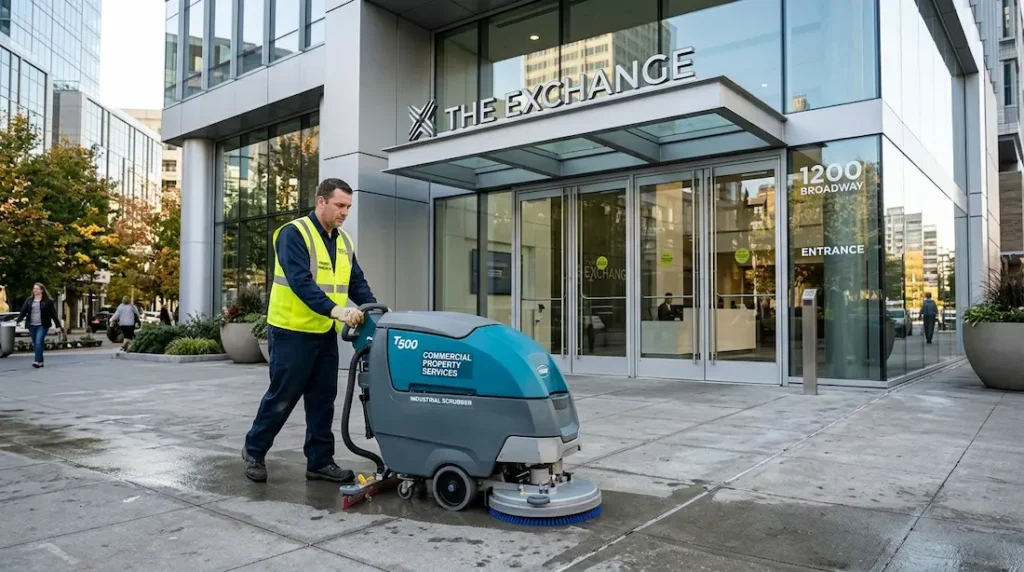
Patios, walkways and other outdoor surfaces often sit outside the main cleaning routine. Dirt, leaves and general debris can collect around entrances and pedestrian routes, and moisture can make these surfaces harder to keep clean, especially during wetter periods.
A professional patio cleaner can help you tackle accumulated dirt across suitable hard surfaces. The right equipment can make larger outdoor areas easier to maintain without entirely relying on manual cleaning.
Suppliers like Euromec offer industrial cleaning and ground care equipment for commercial environments, including equipment suited to hard surface and outdoor maintenance. This gives businesses access to machinery designed for demanding cleaning requirements.
Keeping outdoor areas maintained helps limit the amount of dirt being carried towards entrances and internal spaces. It can therefore form an important part of the property’s wider cleaning routine.
Shared Facilities Need Consistent Attention
Kitchens, break rooms, washrooms and communal areas can experience repeated use throughout the day. With several people using the same facilities, surfaces can quickly become untidy between scheduled cleaning periods.
Touchpoints deserve particular attention because they’re handled frequently. Door handles, taps, switches and shared equipment need to form part of the cleaning routine.
The condition of shared facilities can influence how people view the wider property. Clean and well maintained spaces are easier for employees and visitors to use comfortably.
Cleaning schedules should reflect how frequently each facility is used. A busy staff kitchen, for example, will need different attention from a meeting room used occasionally.
Corners and Hard to Reach Areas Can Build Up Dirt
Large open surfaces are usually straightforward to clean because they’re easily accessible. Smaller spaces around furniture, equipment and fixed installations can receive less attention.
Dust and debris can collect beneath shelving, around machinery and along floor edges. Occasionally moving equipment can help cleaning teams reach areas that are missed during routine passes.
Review the cleaning route regularly to identify areas teams rarely reach. Small adjustments can make a noticeable difference to the property’s overall standard.
Cleaning Equipment Can Affect the Results
The equipment used across a commercial property can influence how effectively different areas are maintained. Machines need to suit the surface, size and workload involved. Unsuitable equipment can slow routine cleaning and leave surfaces needing extra attention.
Equipment maintenance matters as well. Reduced performance can affect cleaning results, while unexpected breakdowns can disrupt established schedules.
Choosing machinery that fits the property’s needs helps you create a practical routine. Regular servicing helps you keep equipment performing properly, especially when machines are used frequently in larger sites.
To Sum Up
Commercial hygiene depends on the areas receiving regular attention across the entire property. Entrances, outdoor surfaces, shared facilities and difficult to reach spaces can influence the overall cleaning standard of a place. Including these areas within planned routines helps you prevent dirt and debris from becoming persistent issues.
A practical cleaning schedule should reflect how the property is used each day. Suitable equipment, regular maintenance and targeted attention can help teams maintain consistent standards. Looking beyond the most visible areas ultimately creates a cleaner and more comfortable environment for everyone using the property.