
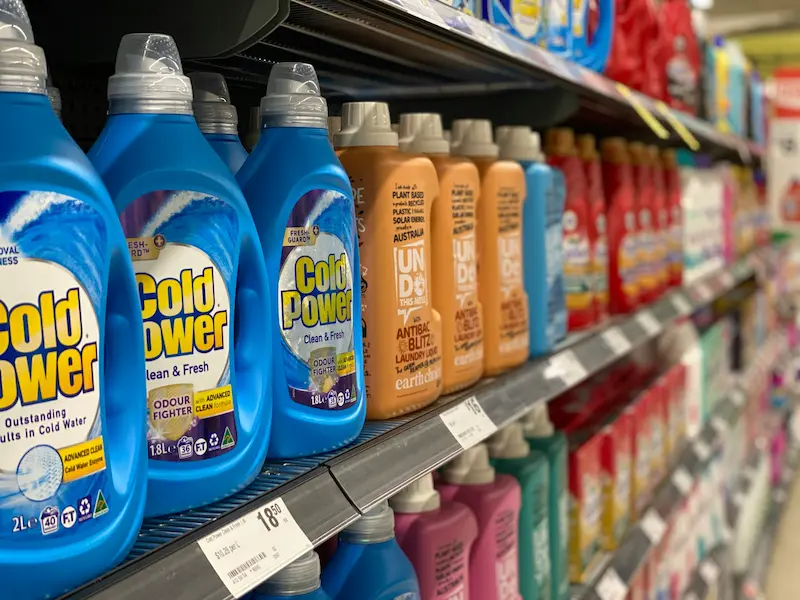
A retail fit out shapes how customers move, what they notice, and how much they spend. It is not simply a design exercise. It directly influences revenue per square meter.
- Start With Clear Commercial Objectives
- Set a Realistic Fit Out Budget Early
- Map Customer Flow Before Choosing Fixtures
- Choose the Right Shelving System for Your Store Type
- Plan Product Placement and Visual Hierarchy
- Allow for Storage, Access, and Staff Efficiency
- Compliance and Practical Requirements in Australia
- Common Fit Out Mistakes to Avoid
- How Mills Shelving Supports Retail Fit Out Projects
- Final Checklist Before You Commit
Poor planning leads to cluttered aisles, missed product visibility, and friction in the buying journey. Strong planning creates flow, highlights key products, and supports faster decisions at the shelf.
Every fixture, every aisle, and every display either helps conversion or slows it down. There is very little neutral space in retail.
Start With Clear Commercial Objectives
Before choosing materials or layouts, define what the store must achieve.
Ask these questions early:
- Is the goal fast turnover or a premium browsing experience
- Are you driving impulse purchases or considered buying
- Which products generate the highest margins
- What does a successful customer journey look like
Clarity at this stage prevents expensive redesign later. A store focused on volume will require a different layout compared to a store focused on brand experience.
Decisions around shelving height, aisle width, and display density should always reflect these commercial priorities.
Set a Realistic Fit Out Budget Early
Cost planning is where many projects start to drift. Underestimating even one category can delay the entire fit-out.
Below is a simple breakdown of where budget is typically allocated:
| Cost Area | What It Covers |
| Shelving and fixtures | Gondola shelving, wall units, display ends |
| Flooring and finishes | Tiles, vinyl, surface preparation |
| Lighting and signage | Overhead lighting, feature displays, branding |
| Installation and labor | Assembly, delivery, on-site setup |
Shelving alone can represent a significant portion of the total investment. If you want a clear benchmark, review how much does it cost to install retail shelving in Australia to understand realistic pricing ranges and what drives them.
Planning costs early allows you to priorities what matters most. It also reduces the risk of cutting corners on high-impact elements such as shelving layout and product visibility.
Map Customer Flow Before Choosing Fixtures
Many store owners select fixtures first and think about flow later. That approach often creates bottlenecks and wasted space.
Instead, map how customers will move through the store before committing to any shelving system.
Common layout approaches:
- Grid layout, structured aisles, ideal for supermarkets and convenience stores
- Loop layout, guided pathway, encourages full store exploration
- Free-flow layout, open movement, suited to boutique environments
Within any layout, there are key zones to define:
- Entry space where customers adjust to the environment
- Primary pathways with the highest foot traffic
- Secondary areas that require visual triggers to attract attention
Shelving should support this movement, not block it. When flow is correct, customers naturally pass more products and spend more time in store.
Choose the Right Shelving System for Your Store Type
Not all shelving works for every retail environment. The wrong system can limit flexibility and reduce product exposure.
A practical comparison helps clarify the options:
| Store Type | Recommended Shelving | Reason |
| Convenience stores | Gondola shelving | High density, flexible, easy to reconfigure |
| Supermarkets | Combination systems | Supports large volume and varied product sizes |
| Boutiques | Wall shelving and feature units | Cleaner presentation, lower density |
Gondola shelving remains the most widely used option across Australian retail. It allows adjustable heights, interchangeable accessories, and easy expansion as product ranges grow.
Long-term flexibility should always be prioritized. Retail changes quickly, and shelving should adapt without requiring a full refit.
Plan Product Placement and Visual Hierarchy
Once layout and shelving are defined, the next step is deciding what goes where. Placement is not random. It should follow a clear structure.
A simple hierarchy often works best:
- Eye level for high-margin or priority products
- Waist to chest level for fast-moving essentials
- Lower shelves for bulk or less frequently purchased items
End displays and aisle ends can be used to highlight promotions or seasonal products. These areas attract attention because they sit along natural walking paths.
Well-planned shelving does more than hold products. It guides the customer’s attention and encourages additional purchases without relying on staff intervention.
Allow for Storage, Access, and Staff Efficiency
A well-designed shop floor can still fail if back-of-house planning is ignored. Stock needs to move quickly from storage to shelf without disruption.
Operational efficiency often comes down to small details:
- Clear access paths for restocking
- Logical product grouping between storage and display
- Adequate spacing behind counters and service areas
- Storage shelving that mirrors the shop floor layout
Overcrowding the retail space might increase display capacity, but it usually slows staff movement and creates friction during busy periods. Balance is key.
Stores that run efficiently behind the scenes tend to maintain better shelf availability, which directly supports sales.
Compliance and Practical Requirements in Australia
Fit-outs must meet a range of practical and regulatory requirements. Ignoring them can lead to costly adjustments after installation.
Key areas to account for include:
- Accessibility, including aisle widths and wheelchair access
- Fire safety, ensuring exits remain clear and visible
- Structural limits, particularly load capacity for shelving systems
- Electrical safety for lighting and powered displays
These considerations should be factored in during planning, not after installation. Early alignment reduces risk and avoids unnecessary rework.
Common Fit Out Mistakes to Avoid
Many issues seen in retail spaces are predictable and preventable. A short checklist can help identify them early.
Frequent mistakes include:
- Overfilling the store, which reduces visibility and comfort
- Choosing fixed shelving that cannot adapt to product changes
- Ignoring customer flow and creating congestion points
- Underestimating installation costs and timelines
- Treating lighting and shelving as separate decisions
Each of these mistakes’ limits performance. Most come from rushing early decisions or focusing too heavily on appearance rather than function.
How Mills Shelving Supports Retail Fit Out Projects
Mills Shelving works with Australian retailers who need practical, scalable fit-out solutions. The focus is not just on supplying shelving, but on helping stores perform better.
Support typically includes:
- A wide range of shelving systems suited to different retail formats
- Guidance on layout and product placement based on real store use
- Flexible solutions that can adapt as inventory and merchandising change
- Reliable supply and installation aligned with project timelines
Retail environments vary, but the goal remains consistent. Make better use of available space and improve how products are presented to customers.
A well-planned shelving system becomes part of the sales strategy, not just a fixture in the store.
Final Checklist Before You Commit
Before moving forward with your fit out, run through the essentials:
- Commercial objectives clearly defined
- Budget allocated across all key areas
- Customer flow mapped and validated
- Shelving system selected for flexibility and growth
- Product placement strategy planned
- Storage and staff access considered
- Compliance requirements reviewed
- Installation timelines confirmed
A structured approach reduces risk and improves outcomes. Retail fit-outs involve many moving parts, but strong planning keeps everything aligned.
When each element supports the next, the result is a store that is easier to shop, easier to manage, and more effective at driving sales.