Key Takeaways
- Airbnb cleaning apps are revolutionizing short term rental management by automating scheduling, enhancing communication, and ensuring consistent property maintenance.
- These tools address challenges such as staffing shortages and high guest expectations, leading to improved guest satisfaction and operational efficiency.
- Integrating cleaning apps with property management systems offers a comprehensive solution for hosts and property managers.
Introduction
The short term rental market has experienced exponential growth in recent years, driving a surge in demand for efficient property management solutions. With guests expecting hotel level cleanliness and rapid turnover between stays, hosts are under immense pressure to deliver exceptional service. For many, keeping up with these expectations while juggling multiple properties can quickly become overwhelming. Cleanliness is integral to the guest experience, influencing reviews, occupancy rates, and host reputations.
- Key Takeaways
- Introduction
- Addressing Staffing Shortages and Operational Challenges
- Enhancing Guest Satisfaction Through Consistent Cleanliness
- Integration with Property Management Systems
- Case Studies: Success Stories of Cleaning App Implementation
- Future Trends in Cleaning Automation for Short Term Rentals
- Conclusion
Yet coordinating turnovers and ensuring consistency in cleaning standards are among the most significant challenges for Airbnb hosts and property managers. This is where technology bridges the gap with specialized tools such as the Airbnb cleaning app, designed to revolutionize the workflow, increase reliability, and simplify day to day operations.
With growing competition in the short term rental industry, hosts are seeking ways to maximize efficiency and gain an edge. Studies have consistently shown a direct link between high cleanliness scores and repeat bookings, underscoring the pivotal role of cleaning management in long term success.
As expectations rise and new entrants enter the market, relying solely on manual coordination is no longer sustainable. Digital solutions, particularly those that combine scheduling, task tracking, and automated communication, are now seen as a necessity rather than a luxury. Cleaning apps have emerged specifically to address the unique pain points faced by Airbnb hosts and property managers. These platforms are tailored to handle the nuances of short term rentals where turnovers can be unpredictable and rapid.
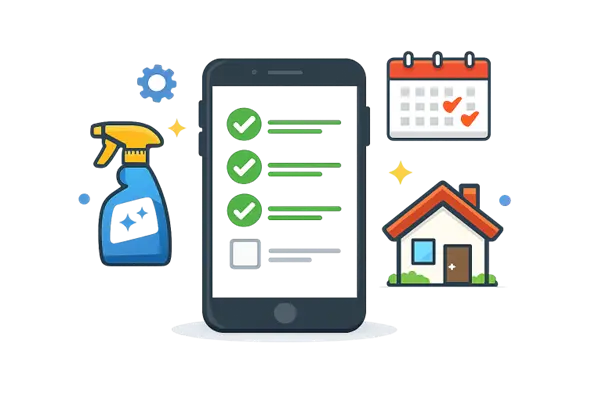
Modern cleaning apps offer features such as automated job scheduling, interactive checklists, and real time updates, enabling hosts to oversee operations remotely and ensure nothing falls through the cracks. Another key feature is the transparency these apps bring to the cleaning process. By offering before and after photos, task progress tracking, and instant notifications, both property owners and cleaners can maintain accountability. Automated messaging further reduces misunderstandings and streamlines communication, allowing cleaners to clarify special requests directly within the app.
Addressing Staffing Shortages and Operational Challenges
The industry is grappling with significant staffing shortages, making manual coordination of cleaning staff a logistical nightmare. Cleaning apps act as intermediaries, simplifying the recruitment of reliable cleaning professionals and offering instant access to vetted service providers. Automation also plays a vital role by reducing the dependency on manual processes. These platforms automatically assign jobs based on availability, notify cleaners of upcoming tasks, and provide feedback mechanisms to minimize errors or missed cleanings. This technological intervention has helped many short term rental businesses remain resilient during labor market disruptions.
Enhancing Guest Satisfaction Through Consistent Cleanliness
Cleanliness has a direct impact on guest satisfaction, with cleanliness scores often being the deciding factor for high ratings and positive reviews. Cleaning apps help hosts maintain consistent quality by standardizing procedures across properties, using detailed checklists, and monitoring performance in real time. For instance, many successful hosts report fewer guest complaints and improved ratings after adopting such platforms. These apps also allow cleaners to document their work with time stamped photos, reassuring guests that every corner has been meticulously attended to. As a result, hosts experience a virtuous cycle in which improved cleanliness leads to better reviews, which in turn increase booking rates.
Integration with Property Management Systems
A significant advantage of modern cleaning apps is their seamless integration with comprehensive property management systems (PMS). This integration enables centralized management, where bookings, guest check in schedules, and cleaning rotations are synchronized in one place. Automated workflows mean a new reservation instantly generates a cleaning task, minimizing response times and reducing manual input. The result is a smooth operational flow that ensures guests are welcomed into spotless properties while property managers can monitor logistics, invoicing, and workforce performance from a unified dashboard. Centralized communication reduces the risk of double bookings or missed tasks, further boosting efficiency.
Case Studies: Success Stories of Cleaning App Implementation
Real life examples provide strong evidence of the transformative power of cleaning apps. For instance, several property management companies report that after implementing an all in one cleaning platform, turnover times dropped by as much as 30 percent and guest satisfaction scores increased significantly. In another case, a multi property Airbnb host reduced negative cleanliness reviews by half within three months of switching to automated scheduling and real time feedback systems.
Not only did these changes boost maintenance reliability, but they also relieved owners from time consuming administrative work, freeing them up to focus on guest relations and growth. These outcomes align with industry observations that highlight how automation is fundamentally reshaping the short term rental business.
Future Trends in Cleaning Automation for Short Term Rentals
The future of cleaning automation in short term rentals looks to be shaped by continued advancements in artificial intelligence and machine learning. Soon, predictive analytics could anticipate peak seasons and adjust staffing or recommend deep cleans in high use properties. Some solutions may use smart home data to prioritize rooms and optimize cleaning routes, resulting in faster and even higher quality turnovers.
Additionally, as the technology matures, integration with smart locks and IoT devices will allow more functions to be performed remotely, reducing the need for on site supervision. These developments could further reduce operational costs while maintaining the level of service modern guests expect.
Conclusion
The market for short term rentals is becoming increasingly competitive, making efficient operations and consistent guest experiences crucial for success. Airbnb cleaning apps have proven instrumental in tackling persistent challenges, from automating task coordination and overcoming staffing shortages to driving up guest satisfaction through higher cleaning standards.
Moving forward, hosts and property managers who adopt these innovative tools will be better positioned to provide the flawless service that today’s travelers demand. Embracing automation within rental management not only streamlines operations but also elevates the entire guest experience.