
Key Takeaways
- Hospitality inspired elements turn senior living spaces into inviting, community oriented homes.
- Sensory focused design benefits residents’ emotional and cognitive health.
- Biophilic principles and adaptable layouts are critical in supporting residents’ well being and independence.
Creating senior living environments that prioritize both comfort and community is at the heart of enhancing residents’ quality of life. Thoughtful design not only enriches daily experiences but also ensures seniors feel truly at home while staying connected to others. By reimagining these spaces, communities can support both well being and social engagement. Today’s communities, such as Senior Assisted Living, are embracing innovative design strategies to foster environments where residents thrive.
Senior living design means more than safe layouts and functional amenities. Emphasizing hospitality, sensory well being, and nature driven concepts creates supportive and dynamic spaces. These environments help residents remain active, connected, and independent. Integrating elements such as flexible interiors, technology, and communal areas further bridges comfort and interaction.
Effective senior living environments recognize residents’ diverse needs and lifestyles, designing with flexibility, safety, and personalization in mind. These principles, when combined, create settings that empower older adults to lead fulfilling lives and engage actively with their peers and surroundings.
Hospitality Inspired Design Elements
Modern communities are moving away from traditional institutional designs and embracing hospitality inspired models that evoke comfort and warmth. A prime example is Ellore Santa Clara in Silicon Valley, which features an elegant material palette, contemporary amenities, and inviting social areas. Such thoughtful touches not only attract residents but also nurture a sense of belonging and pride in their home. The incorporation of hospitality standards bridges the gap between personal space and communal living, ensuring each resident feels welcome and valued.
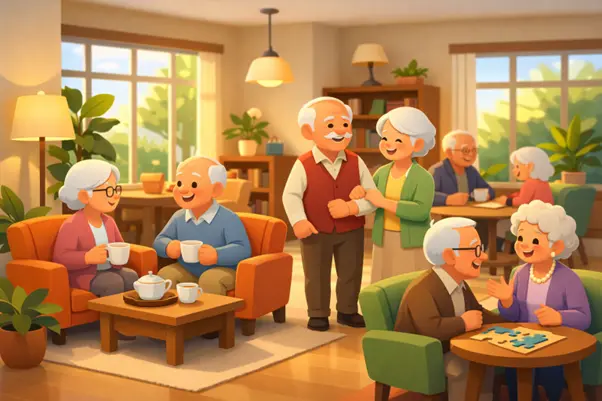
Many senior living developments now highlight welcoming lobbies, cozy fireplaces, and lounges that encourage informal gatherings. These hospitality inspired features give residents a sense of arrival and belonging from the moment they step inside. Design details such as art installations, comfortable seating, and warm lighting further reinforce the feeling of home. Dining areas are often reimagined to resemble upscale restaurants, providing not just nutritious meals but also inviting social experiences where friendships are fostered over shared tables.
Designing for Sensory Well Being
Sensory well being is central to a supportive senior living environment. Surroundings that stimulate the senses can dramatically influence mood, behavior, and cognition. Flexible rooms can be adapted to calm or energize residents, depending on their preferences or activity schedules. This adaptability supports emotional regulation and mental stimulation, while also facilitating meaningful connections and joyful experiences among community members. More insights on designing for sensory engagement highlight the importance of sensory input in senior spaces.
To enhance sensory engagement, designers thoughtfully layer in sounds, colors, and textures throughout common and private spaces. For example, soft furnishings, tranquil water features, and calming color palettes create serene environments that reduce stress and agitation, particularly benefiting individuals with dementia. Innovations in lighting, such as circadian lighting systems, can also promote restful sleep patterns and overall well being. Art, music, and tactile experiences are increasingly integrated into residents’ daily routines to enrich them.
Incorporating Biophilic Design Principles
Nature inspired, or biophilic, designs have a pronounced impact on residents’ mental and physical health. Elements like expansive windows, indoor gardens, and abundant natural light not only improve air quality but also create tranquil sanctuaries. Bringing the outdoors inside helps reduce stress and encourages active lifestyles, reinforcing why nature is so vital in these communities.
Additionally, outdoor walking paths, landscaped gardens, and patios promote connection to nature and motivate physical activity, which is linked to improved mobility and reduced risk of chronic disease. Water features, such as fountains or ponds, create moments of peace while encouraging residents to spend time outdoors, and incorporating views of the natural world, whether forests, courtyards, or mountain vistas, evokes a sense of calm and wonder that greatly benefits overall health, mood, and satisfaction.
Flexible and Adaptable Spaces
Senior residents’ needs often change over time, making adaptability a cornerstone of effective design. Flexible layouts, which include movable partitions and multi use rooms, accommodate a range of activities and personal interests. This level of customization supports autonomy while encouraging communal interaction. Residents can personalize their surroundings to feel truly at home, while still having access to shared resources and programs, ensuring engagement remains high.
Spaces that can transform to support group exercise one day and book clubs the next provide endless possibilities for engagement. Adaptable spaces also empower residents to pursue new interests as their abilities and passions evolve, maximizing the long term value and usability of the community’s resources. Moreover, in room flexibility, such as adjustable shelving or modular furnishings, supports aging in place, allowing residents’ needs to be met without disruptive moves or renovations seamlessly.
Safety and Accessibility Considerations
Prioritizing safety and accessibility sets the foundation for independent living. Features such as non slip flooring, well lit pathways, and intuitive layouts minimize the risk of accidents and support daily movement. Advanced safety measures, including emergency call systems and accessible bathrooms, offer peace of mind to both residents and their families. In addition to structural adaptations, regular staff training and the integration of smart technologies can further elevate security and responsiveness throughout the community.
Thoughtful wayfinding techniques, including clear signage and color coded corridors, help residents easily navigate their environment. Elevators with larger buttons, motion sensor lighting, and sit to stand support in showers are just a few examples of how accessibility is prioritized. Ensuring that all areas, indoors and out, are access friendly helps promote social participation, autonomy, and an overall sense of dignity for every resident.
Community Engagement and Social Spaces
Facilitating regular social interaction is essential for mental and emotional well being. Shared gardens, libraries, fitness centers, and activity rooms create many avenues for residents to connect, learn, and socialize. These common areas foster friendships and build a strong sense of community, helping to combat isolation and loneliness. Community led events and clubs also encourage residents to pursue hobbies and stay engaged with both peers and staff.
Social programs, ranging from art classes and volunteer committees to movie nights and themed dinners, play a prominent role in sustaining engagement and building a positive atmosphere. By offering a diverse range of activities, senior living communities empower residents to take an active role in shaping their daily lives. The presence of multi generational spaces, such as family friendly lounges and children’s play corners, also encourages visits from relatives and keeps residents connected to broader social networks.
Integrating Technology for Enhanced Living
Technology is rapidly transforming senior living. Smart home features such as automated lighting, voice activated assistants, and remote monitoring systems help residents maintain independence while keeping families and caregivers connected. Virtual communication platforms enable ongoing interaction with loved ones, and health tracking solutions help monitor wellness in real time.
By thoughtfully blending technology into daily routines, communities can support safety, communication, and quality of life. In addition, digital programming, such as virtual fitness classes, telehealth, and online learning, removes barriers created by mobility or distance. Wi Fi enabled community centers and residents’ suites allow for seamless streaming, digital reading, and entertainment. Technology training sessions help residents gain confidence, reduce anxiety about new devices, and harness the full benefits of digital advances for socialization, health, and recreation.
Conclusion
Senior living communities that focus on comfort, community, and adaptability empower residents to live well and age gracefully. By adopting hospitality driven design, prioritizing sensory and biophilic elements, and ensuring both flexibility and safety, these environments nurture happiness, independence, and a vibrant community spirit among residents.